
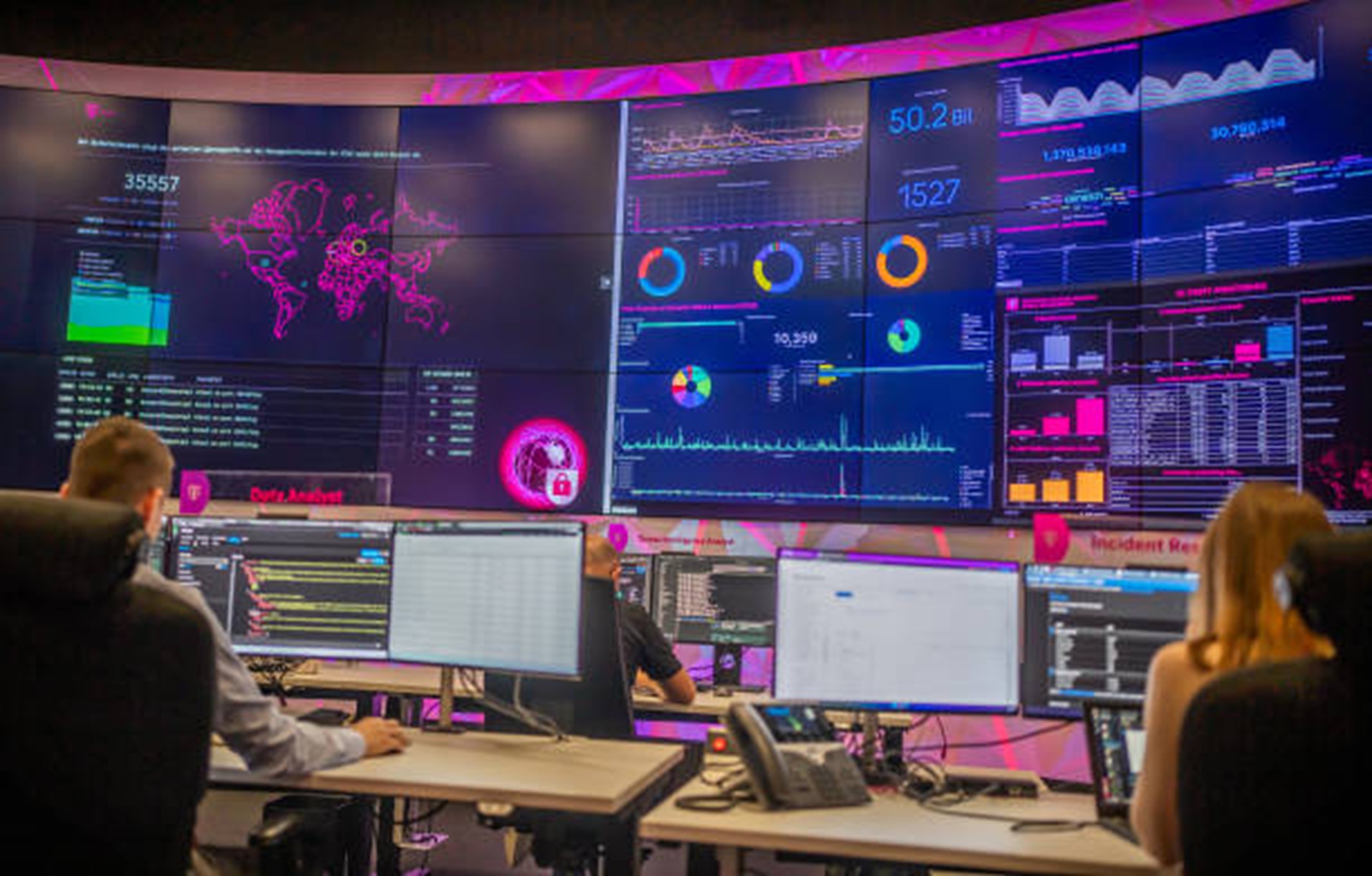
A checkout line can grow quickly when card terminals stall, stock systems stop responding, or store Wi-Fi drops during the busiest hour. Employees may restart devices, customers become restless, and your support team receives incomplete reports from several branches at once. Which problem should you investigate first when every delay can affect sales?
Network monitoring gives Iraqi retail teams a clearer view of devices, connections, traffic, and performance changes in real time. With the right techniques, you can determine whether a slowdown begins at a register, a network device, an internet link, or a business application, and respond before the issue spreads across the store.
Key Takeaways
- Real-time visibility helps Iraqi supermarkets trace checkout delays before queues spread across multiple lanes.
- Priority alerts give malls and multi-branch retailers a faster response to payment, internet, and store-wide outages.
- Device-health and bandwidth data help retailers distinguish hardware trouble from peak-hour capacity pressure.
- Traffic, link, trend, and log analysis reduce guesswork across pharmacies, fuel stations, restaurants, and omnichannel stores.
- The best results come from matching each technique to the retailer’s systems, peak hours, connectivity setup, and IT support capacity.
8 Network Monitoring and Faster Peak-Hour Troubleshooting Techniques for Iraq Retail Teams
24/7 Real-Time Monitoring
Continuous visibility helps Iraqi supermarkets and hypermarkets follow checkout terminals, barcode scanners, weighing scales, access points, inventory links, and payment connections during busy periods. This is especially useful during evening shopping, salary periods, holiday promotions, and extended Ramadan trading hours, when one slow lane can quickly affect nearby queues.
The service specification for real-time network monitoring covers devices, links, connections, traffic changes, and performance slowdowns. For your supermarket, the outcome is a clearer comparison between healthy and affected lanes, allowing technicians to check the register, switch port, payment route, or inventory application first, rather than restarting everything.
Why It Matters: You can isolate checkout issues before a localized slowdown leads to abandoned baskets, longer queues, employee pressure, and preventable sales disruption.
Instant Outage Alerts
Fast alerts are a valuable network monitoring method for all Iraqi shopping malls and multi-branch retailers because a single failed connection can affect payment counters, tenant services, security systems, or several stores simultaneously. Reports passed through employees, supervisors, and the head office can otherwise delay the first technical response.
The Central Bank of Iraq has promoted wider use of electronic POS devices in the public and private sectors. For Iraqi retail teams, that wider dependence on connected payments makes instant outage alerts more important during peak hours, because a branch-wide link failure or repeated terminal disconnection should reach the responsible technician before queues grow and transactions are delayed.
Why It Matters: Your team can respond while the failure affects only a few counters rather than after payment queues, tenant complaints, and failed transactions spread across the location.
Device Health Tracking
Equipment monitoring helps Iraqi electronics and appliance retailers because checkout terminals, demonstration screens, wireless access points, switches, and stock devices may remain connected while performing poorly. Heat, processor load, memory pressure, packet loss, and repeated reconnections can reveal trouble before complete failure.
The device-health monitoring capability tracks routers, switches, servers, firewalls, and access points for performance problems. For your store, the outcome is an evidence-based maintenance decision: you can identify the access point serving a crowded showroom or the switch supporting checkout lanes before a weekend promotion begins.
Why It Matters: You can replace, restart, or reconfigure the right device before it interrupts product demonstrations, stock searches, card payments, or checkout activity during the busiest sales window.
Bandwidth Usage Analysis
Usage analysis helps Iraqi fashion retailers and department stores understand how guest Wi-Fi, cloud POS tools, digital displays, employee devices, stock systems, CCTV feeds, and background updates share available capacity. During seasonal promotions or periods of high evening footfall, these services can compete even when the internet circuit itself remains online.
The bandwidth and usage insights show which users and applications consume capacity and where slowdowns begin. For your retail team, the outcome is a targeted response: you can prioritize payment and inventory traffic, pause a large update, restrict nonessential guest usage, or review AWS optimization rather than immediately purchasing a larger connection.
Why It Matters: You protect sales-critical applications while fixing the actual source of congestion instead of treating every peak-hour slowdown as an internet-package problem.
Traffic Spike Detection
Traffic-spike detection is a useful network monitoring tactic for Iraqi pharmacies and healthcare retailers because prescription tools, stock databases, card terminals, supplier portals, and customer-service systems may share the same branch connection. A sharp increase can come from legitimate post-clinic demand, an application synchronization loop, a mass update, or suspicious activity.
The security and abnormal-traffic monitoring capabilities are designed to expose unusual behavior as it begins. For your pharmacy, the outcome provides better context: machine-learning security can flag the deviation, while your team compares it against store hours, transaction counts, login attempts, destinations, and affected applications before escalating.
Why It Matters: You can distinguish a genuine customer rush from faulty or suspicious traffic before prescription processing, inventory checks, and payment services become noticeably slower.
Link Availability Checks
Connection checks suit Iraqi convenience stores and fuel-station shops that may depend on a single main internet circuit, a mobile connection, or a secondary backup, as well as employees with limited technical training. When card terminals, fuel-price updates, loyalty tools, or forecourt applications stop responding, restarting every device wastes valuable time.
The outage and connection-monitoring capability provides visibility into disconnections, slowdowns, and link status. For your branch, the outcome is a direct diagnosis: support staff can see whether the primary link failed, the backup did not activate, failover took too long, or only one local device became unreachable.
Why It Matters: Your technician can give the store a single focused action while customers wait, even when no dedicated IT employee is available on-site.
Performance Trend Monitoring
Trend monitoring helps Iraqi restaurant chains and quick-service outlets because ordering tablets, kitchen screens, printers, delivery platforms, payment terminals, and branch applications must respond together during lunch and evening rushes. A recurring slowdown may be missed when each branch reports it as a separate incident.
The performance dashboards and monitoring features make it easier to compare repeated changes in response time, packet loss, reconnections, and device load. For your restaurant team, the outcome is earlier intervention: an issue that appears at the same hour each day can be treated as capacity pressure. At the same time, gradual deterioration may point to failing hardware or configuration issues. Ransomware protection also improves when unusual patterns are investigated early.
Why It Matters: You can schedule corrective work before one network issue delays ordering, kitchen preparation, delivery acceptance, receipt printing, and payment simultaneously.
Network Log Analysis
Log analysis supports Iraqi omnichannel retailers that connect physical branches with ecommerce orders, click-and-collect, delivery services, customer accounts, and centralized stock records. A delayed order may appear to be a network failure even when the real cause is authentication, application synchronization, or a recent configuration change.
CISA recommends centralized log management so organizations can correlate activity across network and host security devices. For your retail operation, the outcome is a traceable incident path: timestamps, failed logins, system changes, and Dynamics 365 integration errors can show exactly where an order stopped moving.
Why It Matters: You can route the issue to network, application, account, or security support without wasting peak-hour time transferring the case between teams.
Conclusion
Peak-hour troubleshooting works best when each technique reflects the retailer using it. Iraqi supermarkets need live checkout visibility, malls need prioritized outage alerts, electronics stores need device-health warnings, and department stores need bandwidth context. Pharmacies benefit from traffic analysis, fuel-station shops need reliable link checks, restaurant chains need performance trends, and omnichannel retailers need connected logs.
Network monitoring gives your team evidence instead of scattered phone reports and repeated device restarts. You can identify what changed, connect it to the affected retail process, and choose the right response before disruption spreads. The outcome is faster diagnosis, steadier payment performance, shorter queues, and more confident branch employees.
Don’t let network issues slow your busiest trading hours. Strengthen your retail operations with Multiverse Solutions and discover how proactive monitoring supports faster issue resolution.
FAQs
What are the eight peak-hour troubleshooting techniques?
They include real-time monitoring, outage alerts, device health tracking, bandwidth analysis, traffic detection, link checks, performance trends, and network log analysis.
Why is real-time monitoring important for Iraqi supermarkets?
It helps your team identify slowdowns in checkout, payment, scanner, switch, or inventory before a single affected lane creates longer customer queues.
Which alerts should Iraqi retailers prioritize?
Prioritize payment failures, branch-wide internet loss, backup-link failure, checkout disconnections, and application outages that directly interrupt customer transactions.
How can retailers diagnose a slow network faster?
Compare device health, bandwidth usage, link status, performance trends, logs, and machine-learning security alerts to identify unusual traffic without restarting every system.
Does every Iraqi retailer need all eight techniques? Not necessarily. Select them according to your store format, branch count, payment setup, busiest periods, applications, connectivity, and on-site IT resources.